Ask a working stylist what eats their week and the answer is rarely "picking clothes." It's everything around the picking: building moodboards at midnight, explaining a look to a client who can't visualize it, sourcing pieces across a dozen browser tabs, and redoing all of the above when the client says "hmm, not quite me." AI won't replace the taste that makes a stylist worth hiring — but it is very good at compressing exactly that around-the-picking work.
This guide covers what an AI stylist workflow actually looks like in 2026: where the tools genuinely help, where they fall flat, and how working stylists — and anyone styling themselves — can fold them into the process without losing the craft.
What people mean by "AI stylist"
The phrase covers three different things, and it's worth separating them:
- AI outfit generation — describe an occasion, aesthetic, or client brief and get complete outfit concepts as images: full-body looks, flat-lays, or moodboards. This is ideation at machine speed.
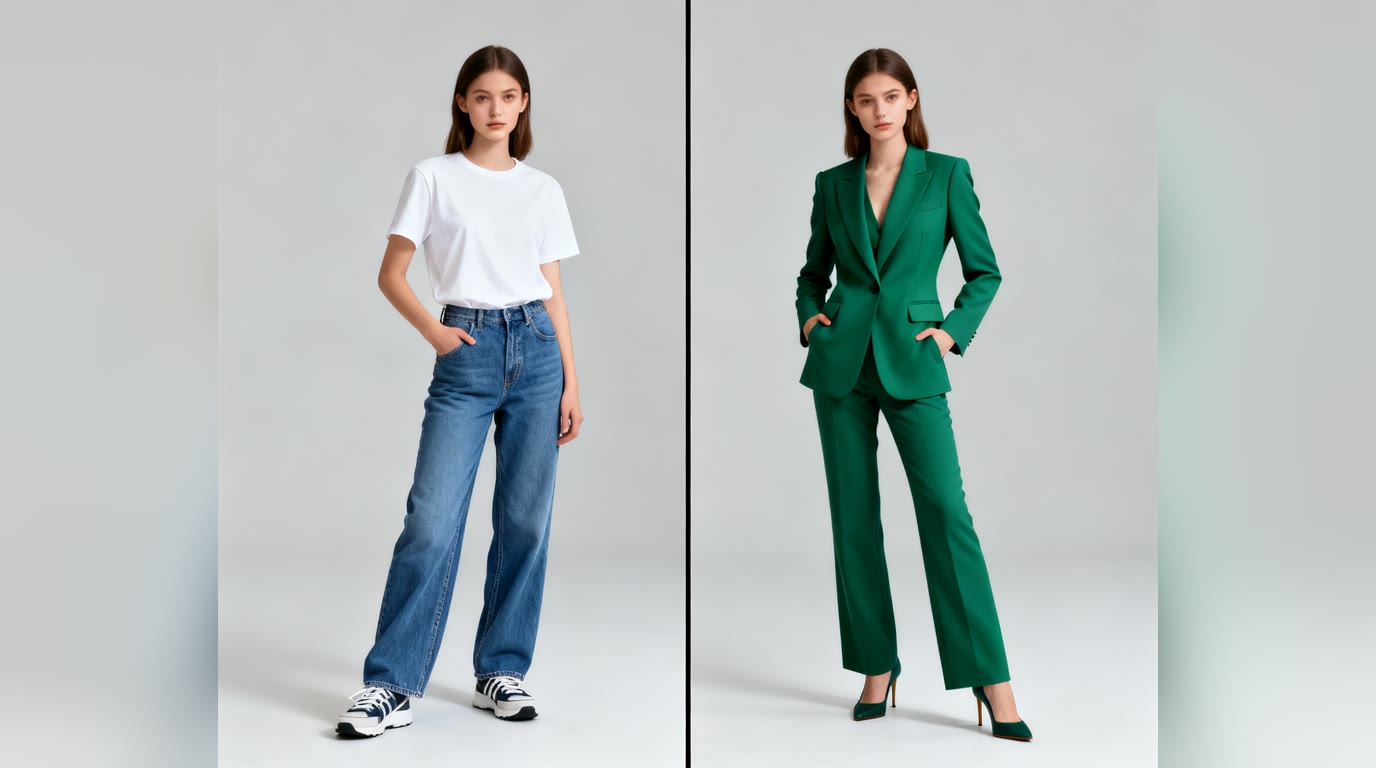
- AI outfit changing (virtual try-on) — upload a photo of a real person and swap the clothes while keeping their face, pose, and proportions. This is the closest thing to a fitting room without a fitting room.
- AI styling advice — chat-style recommendations ("what should I wear to a summer wedding in Rome?"). Useful for direction, but it's the image tools that changed the workflow.
Five ways stylists actually benefit
1. Moodboards in minutes, not evenings
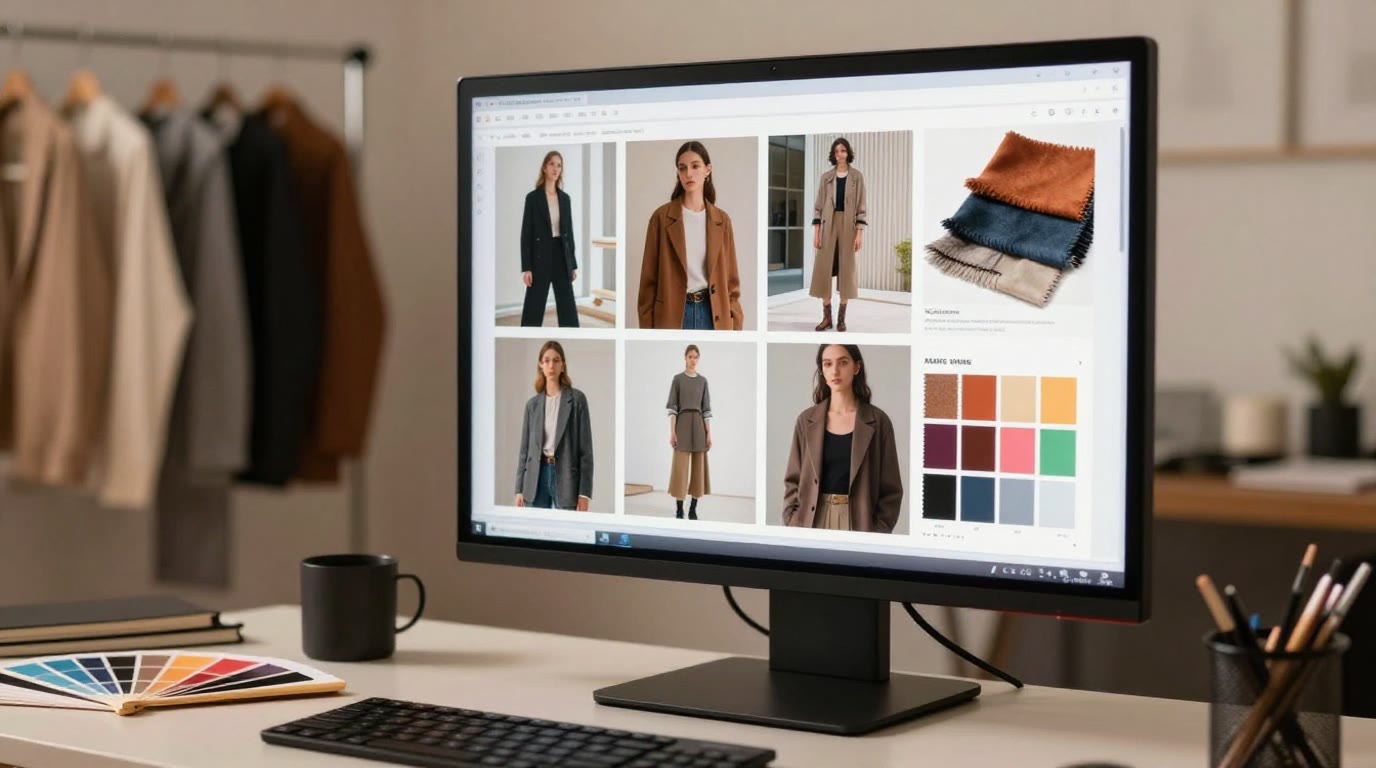
The traditional moodboard is hours of Pinterest archaeology. An AI outfit generator collapses that: describe the brief — "quiet luxury capsule for a 40-something creative director, autumn palette" — and generate a dozen visual directions in the time it used to take to find one. The point isn't that the AI's taste beats yours; it's that you can show a client six directions at the first meeting instead of two, and kill the wrong ones before any sourcing happens.
2. Show clients the look on them, not on a model
The oldest problem in styling: clients can't project a look from a lookbook onto their own body. An AI outfit changer solves this directly — upload the client's photo, describe the proposed outfit, and the AI renders them wearing it, same face, same pose. A client who sees themselves in the charcoal suit approves the charcoal suit. Expect some imperfection in fine details (fabric texture, complex layering), but for the "yes or no" conversation it's transformative.
3. Iterate before you source
Changing a generated outfit costs seconds; returning a sourced garment costs an afternoon. Running variations — same look in three palettes, same silhouette at three formality levels — before committing to a single purchase changes the economics of experimentation. A color palette generator pairs well here: lock the palette first, then generate outfits inside it.
4. A portfolio that shows range
Early-career stylists face a chicken-and-egg problem: you need styled shoots to win clients, and clients to fund styled shoots. AI-generated concept work — clearly labeled as concept work — lets you demonstrate your eye across aesthetics you haven't yet been hired for. Your curation and art direction are real even when the photography is synthetic.
5. Faster client communication
"Somewhat oversized, but structured" means five different things to five people. A generated image means one thing. Attaching a visual to every recommendation cuts the misunderstanding loop that eats most of the back-and-forth in remote styling.
Where AI styling falls flat
Honesty matters more than hype here:
- Fit is fiction. AI renders how clothes look, not how they fit, hang, or feel on a real body over a real day. The stylist's knowledge of cut, fabric behavior, and body reality stays irreplaceable.
- It doesn't know the racks. A generated outfit isn't a shoppable outfit. Translating a concept into pieces that exist, in budget, in the client's size — that's still the job.
- Taste is the moat. AI generates competently average fashion by default. The difference between generic output and a strong direction is entirely in the prompt — which is to say, in the stylist's vocabulary and eye.
A practical AI stylist workflow
Where AI slots into a styling engagement
| Stage | Traditional time | With AI | Tool |
|---|---|---|---|
| Brief → moodboard | 3–6 hours | 20–30 min | Outfit generator (moodboard mode) |
| Concept approval | Days of back-and-forth | One session | Outfit changer on client's photo |
| Palette decisions | Swatch guesswork | Minutes | Color palette generator |
| Sourcing | Unchanged | Unchanged | The stylist |
| Fitting | Unchanged | Fewer surprises | The stylist |
The pattern across every stage: AI compresses the visual-communication work and leaves the judgment work alone. Stylists who adopt it aren't automating themselves away — they're spending a larger share of billable hours on the parts clients actually pay for.
Try it on your own wardrobe first
The fastest way to calibrate what these tools can and can't do is to use them on yourself. Upload a photo and change your own outfit — see where it nails the look and where the fabric gets weird. Generate a capsule wardrobe concept for your actual life. Ten minutes of hands-on beats any review post — including this one. Both are free to try, no signup needed.